
Winter Physical Activity
Feb 16, 2026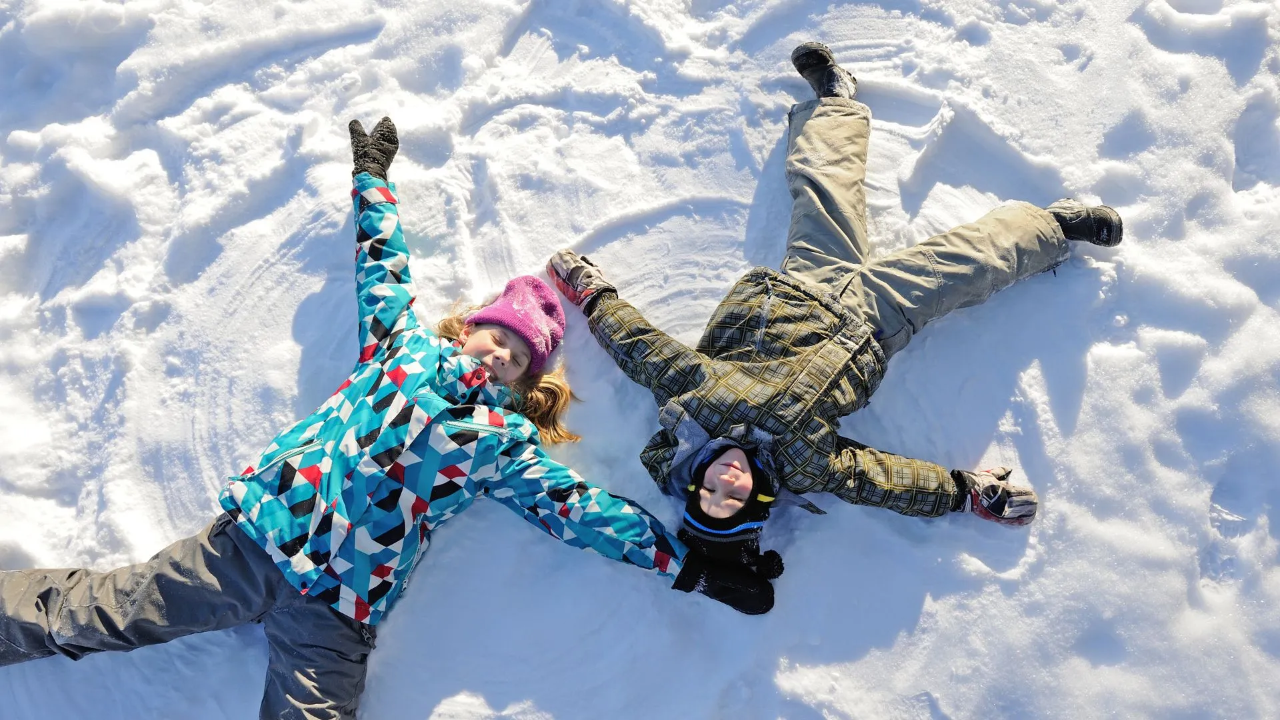
Health Benefits of Regular Physical Activity
While the importance of staying active is widely recognized, many Americans still lead a sedentary lifestyle. Check out the wealth of health benefits associated with being physically active:
- Boosts Mental Health: Increases self-confidence, reduces stress, decreases negative behaviors and acting out, and helps you feel less anxious or depressed.
- Enhances Social Skills: Promotes cooperation when engaging with others.
- Improves Muscular Fitness: Builds strong muscles and bones and improves coordination.
- Increases Academic Performance: Improves attention, memory, and active imagination.
- Maintains Healthy Weight: Helps regulate body weight and reduce body fat.
- Optimizes Long-Term Health: Improves blood pressure, strengthens the heart, and prevents illness and chronic diseases.
- Promotes Better Sleep: Improves sleep quality and increases energy levels.
How Much Physical Activity?
- Infants should be encouraged by their caregivers to interact in daily physical activities that promote movement and active play. Aim for several short sessions throughout the day.
- Preschool-aged children under 6 should be physically active throughout the day and aim for at least 3 hours per day.
- Children over 6 years old should be active for at least 60 minutes or more each day.
Equipment
You don’t need expensive equipment to get children active inside or outside. Your best tool is creativity.
Inside
Ensure safe access to equipment, like push-pull toys or low, carpeted blocks for climbing. You can also create a variety of large motor objects using lightweight items such as:
- Softballs: rolled-up socks or small stuffed animals
- Scarves: colorful bandanas or any piece of light fabric
- Streamers: strips of wide ribbon
- Shakers: plastic containers filled with buttons, beads, or other small pieces
- Parachute: sheet
Outside
- Ensure outdoor areas offer safe and age-appropriate opportunities for climbing, running, and jumping.
- Provide inexpensive play equipment such as jump ropes, balls, hula hoops, and tricycles for outdoor play.
- Keep chalk, a low-cost item, on hand for children to draw hopscotch or four-square lines.
Physical Activity
Being active can be simple and fun, whether spontaneous or planned. Encouraging children to move through active play and safe, engaging physical activities supports their physical development and overall health.
Teach children simple movements that can be done inside or outside, with equipment or no equipment. The main idea is to let children have fun. Here are some activities children can enjoy:
- Balancing
- Building something from sand or snow
- Climbing
- Crawling
- Dancing (Hokey Pokey, freeze dance, clapping and stomping to the beat)
- Gardening
- Gymnastics or tumbling
- Hiking
- Hula hooping
- Imitating animals
- Jumping rope\
- Keeping a balloon in the air
- Participating in an obstacle course or relay race
- Playing catch or tag
- Practicing yoga* and stretching
- Riding tricycles or bicycles
- Shoveling
- Sledding
- Sweeping with a broom
*Yoga for kids? Research shows that introducing children to yoga and mindfulness at a young age helps them develop emotional intelligence and ways to deal with stress. Incorporate age-appropriate poses and stretches to promote flexibility and relaxation.
Here are a few more games to play with children to get them up and moving.
- Active Storytelling: Combine storytelling with physical activity by having children act out parts of the story.
- Hula Hoops: Run, jump, or hop from one hula hoop to the next. Play games of follow-the-leader balancing or marching inside the hula hoops. Imitate different animals while in the hula hoops, such as leaping like a frog, crawling like a lion, and swimming like a shark.
- Musical Chairs: If you don’t have chairs, you can use stools, carpet squares, or pillows. To keep all children active, instead of having them sit out when they don’t get a chair, have them dance to the music each time it plays.
- Scavenger Hunt: When the children are outside, have them explore nature and collect items such as leaves, nuts, and stones for an inside art project.
Role Models
Physical activity is essential for children’s growth and development — and adults benefit from it too. When parents stay active alongside children, they model healthy habits that can last a lifetime.
Children learn by example. Seeing the adults in their lives run, stretch, dance, and play — both indoors and outdoors — encourages them to enjoy movement and build confidence.
Families can continue this at home with simple activities like dance breaks, nature walks, bike rides, or indoor obstacle courses. Regular movement supports physical health, focus, mood, and social development.
Healthy habits start with us — when we move together, we grow together!
