
How To Handle Separation Anxiety at Drop-Off
Mar 23, 2026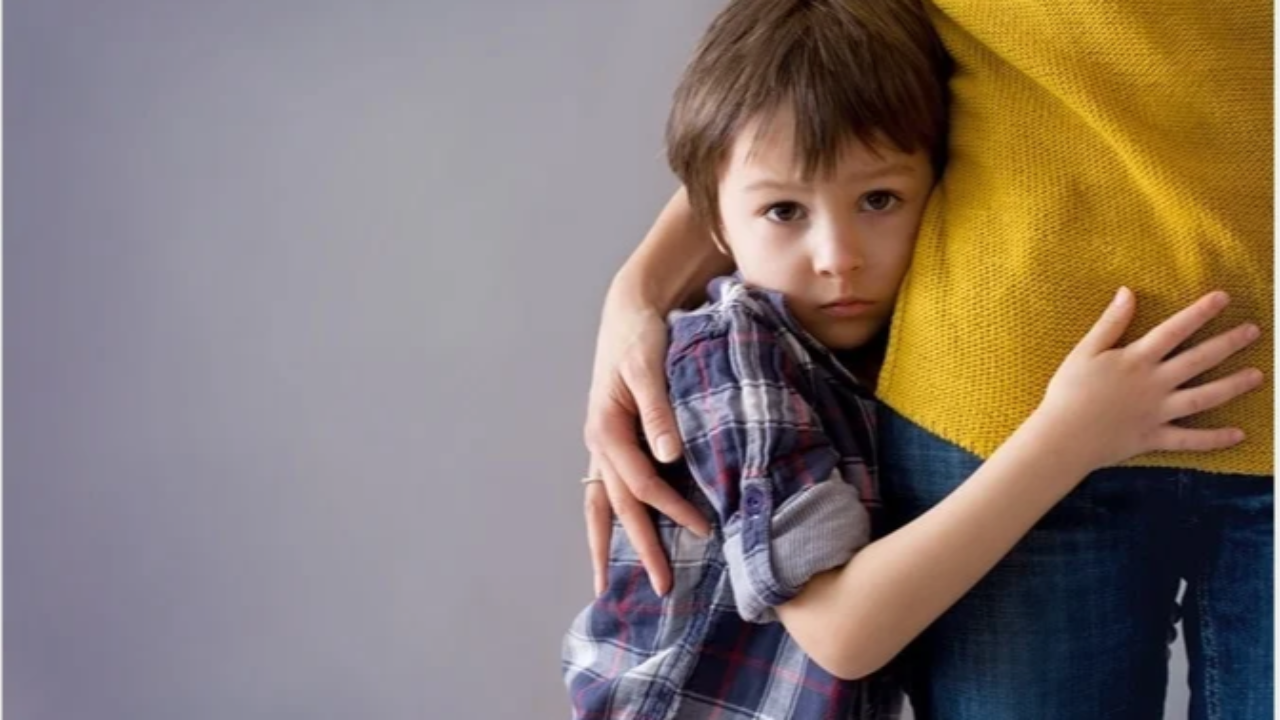
Starting daycare or preschool is exciting, but it can also come with tears and tough goodbyes. Separation anxiety is a normal stage of development, especially for young children who are learning to trust that their caregivers will return. The good news? With patience, consistency, and teamwork, children (and parents!) can adjust to drop-offs smoothly.
Separation anxiety typically begins between 8 months and 3 years of age, when children start to understand object permanence, knowing that you still exist even when they can’t see you. This can make goodbyes difficult.
Here are a few strategies that can make drop-off less stressful:
Create a Consistent Routine
Children feel more secure when they know what to expect. Try to keep morning routines predictable and calm.
Keep Goodbyes Short and Sweet
Lingering too long often makes it harder. A quick hug, a cheerful “I’ll see you later!” and then a confident exit helps your child feel safe and reassured.
Offer a Comfort Item
Sometimes bringing a favorite stuffed animal, blanket, or family photo can provide comfort during the transition.
Stay Positive and Confident
Children pick up on your emotions. If you appear calm and upbeat, your child is more likely to feel the same way.
Talk About the Day Ahead
Remind your child about the fun activities waiting at school, like story time, art projects, or playing with friends.
At our center, we know separation anxiety is part of the early childhood journey. Our teachers will help in this process by greeting children, offering distractions, providing extra hugs and reassurance, and communicating with parents about their progress.
Most children settle in within minutes once they’re engaged, and over time, drop-offs become much easier. In fact, many times they are already playing with friends by the time you get back to your car and check your camera app!
Separation anxiety is tough in the moment, but it’s also a sign of your child’s strong bond with you. With consistency, support, and a positive routine, your child will learn that school is a safe, fun place, and that you’ll always come back!
