
Helping Children and Families with Separation Anxiety
Jan 19, 2026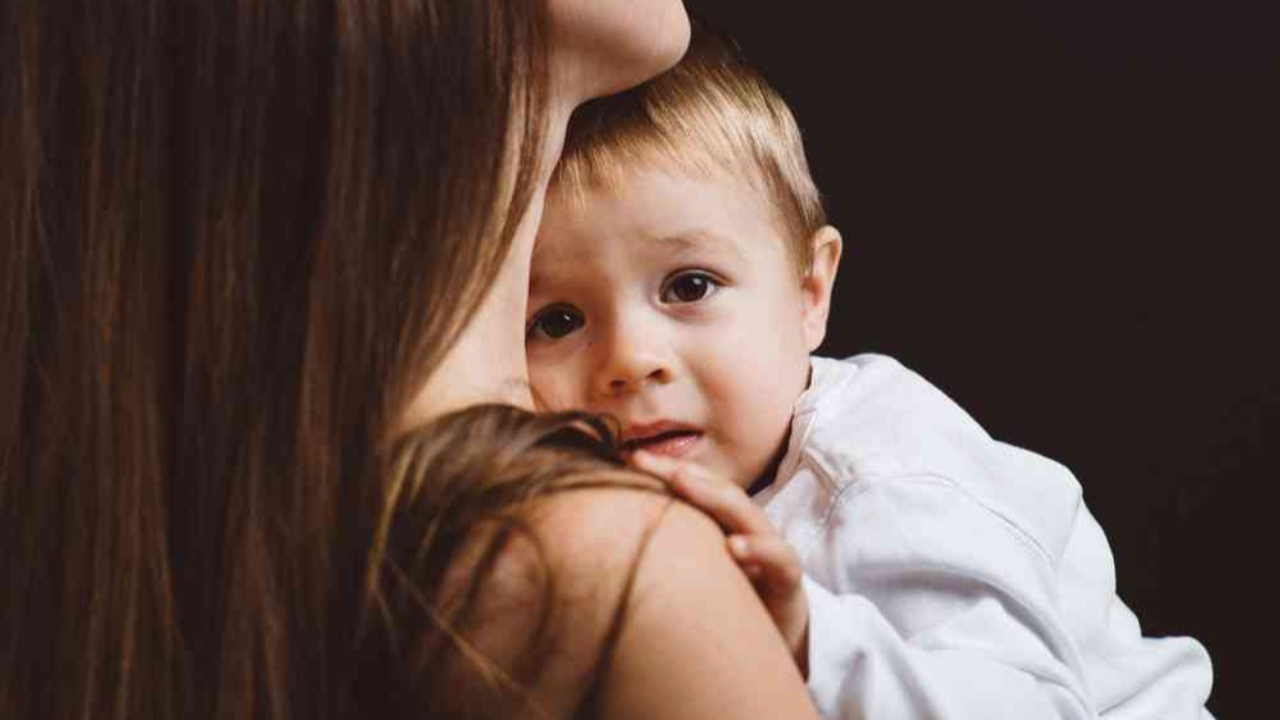
According to Dr. T. Berry Brazelton, M.D. separation anxiety is a natural part of child development that begins around the age of 9 months. Babies around this age may begin to cling to their parents and show distress when they are dropped off at child care even though they have been attending with no problems up to this point. Dr. Brazelton described this as a “touchpoint” of the child’s development. Dr. Brazelton’s touchpoints are times where a child’s development is going through an important surge. Sometimes these surges in development can make it seem like a child is regressing, because they may have changes in behavior and routines.
According to Dr. Brazelton, there are 10 touchpoints that happen between birth and age two. Knowing about these touchpoint times ahead of time can help parents and caregivers prepare and make these times easier for the child and family. At nine months, a baby is beginning to understand the concept that things go away and may come back.
This is called object permanence. Games like peek-a-boo and hiding and finding a toy help this concept develop. A baby at this age is now realizing that their caregiver is leaving, and because a baby doesn’t have a concept of time it can be distressing for them to not know when they will return.
Although this is a natural part of development for babies, it is also a common experience for toddlers as they are becoming more independent, and for young children who may not have attended school or child care before or have been away for a holiday break or vacation. Here are some tips that you can use to make things easier for children and families during these transitions.
- Try to have a consistent routine for children at drop off. This will help children learn what to expect, which can help ease anxiety.
- Encourage parents to say goodbye. It may seem like it could be easier for the parent to sneak out to avoid a child becoming upset. However, it can actually make things worse by breaking their trust. Instead encourage parents to help their child get settled, give their child a snuggle, and let them know they will be back.
- Once the parent and child say goodbye, it is best for the parent not to linger. This will only extend the anxiety and upset, for both of them.
- Encourage a transitional object to help the child. Some teachers take pictures of parents with their child so they can look at it or hold it as a reminder during the day. A blanket, book, stuffed toy, or another object with the scent of home can also be comforting for a child to snuggle.
- Acknowledge and help children name what they are feeling. You may say, “I know you are sad to see Daddy leave. He will be back after lunch to get you. He will be so excited to hear about what you did today"This not only lets the child know their parent will return, but also that they are thinking about them while they are gone. Telling them he will return after lunch also helps the child know what to expect.
Reading books about saying goodbye and reuniting can be soothing for children. Here are a few titles that
can help:
- The Kissing Hand, by Audrey Penn
- Llama Llama Misses Mama, by Anna Dewdney
- Owl Babies, by Martin Waddell
- When Mama Comes Home Tonight, by Eileen Spinelli
- Oh My Baby, Little One, by Kathi Appelt
Remember, normal separation anxiety rarely persists once a child learns that their caregiver will indeed return.
